Silent Hill: Townfall continues the series’ comeback with another strong entry
Silent Hill: Townfall continues the franchise's revival with a first-person horror entry set in Scotland. Playing as American Simon Ordell in the island town of St. Amelia, players use a handheld CRTV device to detect cr…
Source: GameSpot Reviews
A few years back, the Silent Hill franchise looked like a leftover from a bygone era. Its strongest entries were two decades old, and the series had clearly lost direction. That's changed recently, starting with Bloober Team's impressive Silent Hill 2 remake in 2024 and continuing with 2025's rule-shattering Silent Hill f. Now Screen Burn's Silent Hill: Townfall seals the comeback. Three memorable releases in three years have brought a legendary horror series back to life for a new generation.
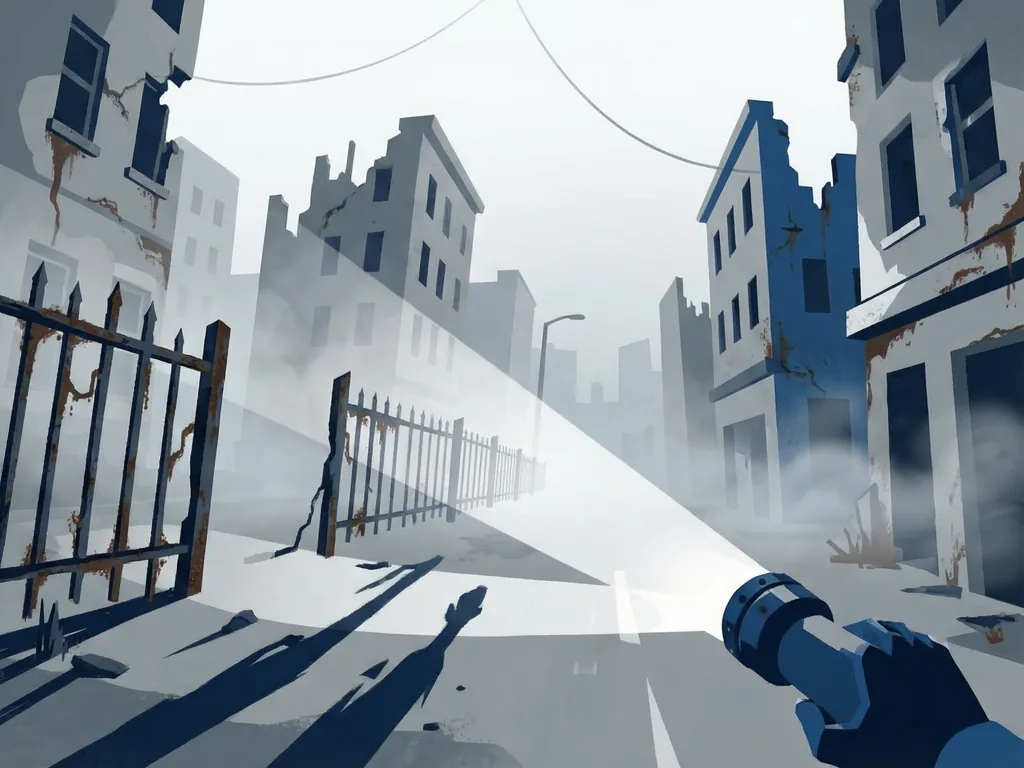
Like Silent Hill f, Townfall breaks from convention by leaving the United States—this time for Scotland. An American named Simon Ordell washes ashore on the coast of St. Amelia, a working-class island community. From the start, Townfall nails the essential mood of a Silent Hill game. It's not just the fog that defines the series; it's the uneasy quiet, the sorrow hiding in every storefront and alley, lingering like a warning of the terror to come. While it honors some series traditions, it stands entirely on its own. Newcomers can jump in without prior experience.
Exploring the town, you quickly learn that St. Amelia endured a tragedy so devastating the community shut down almost instantly. Memorials in the town square honor those lost too soon, matched in number and feeling only by protest signs demanding answers. The full picture takes a long time to emerge. Like the fog and its sadness, Silent Hill is also a stage for shocking revelations that surface only late in the journey.
But if you think you've figured out where it's headed, you probably haven't. Screen Burn founder and Townfall writer Jon McKellan once ran a fan site for this series, and that lifelong dedication shows by the end. He and his team grasp what Silent Hill has been—and, more crucially, what it can become. The rules of this world are bent a little, and the game is better for it. Is Silent Hill a physical location or a concept? Is everyone who ends up there doomed to suffer? Some themes echo like mournful mandolin notes, but Townfall's finest moments come from subverting expectations, reshaping them, and sometimes discarding them entirely.
Early on, Townfall feels reminiscent of Silent Hill 2. The original score, strong on its own, intentionally evokes the series' golden age, and you'll spend early hours moving through the winding halls of a hospital and an apartment building. But this is far more than a fan project recycling past successes. Screen Burn makes it distinctly its own.
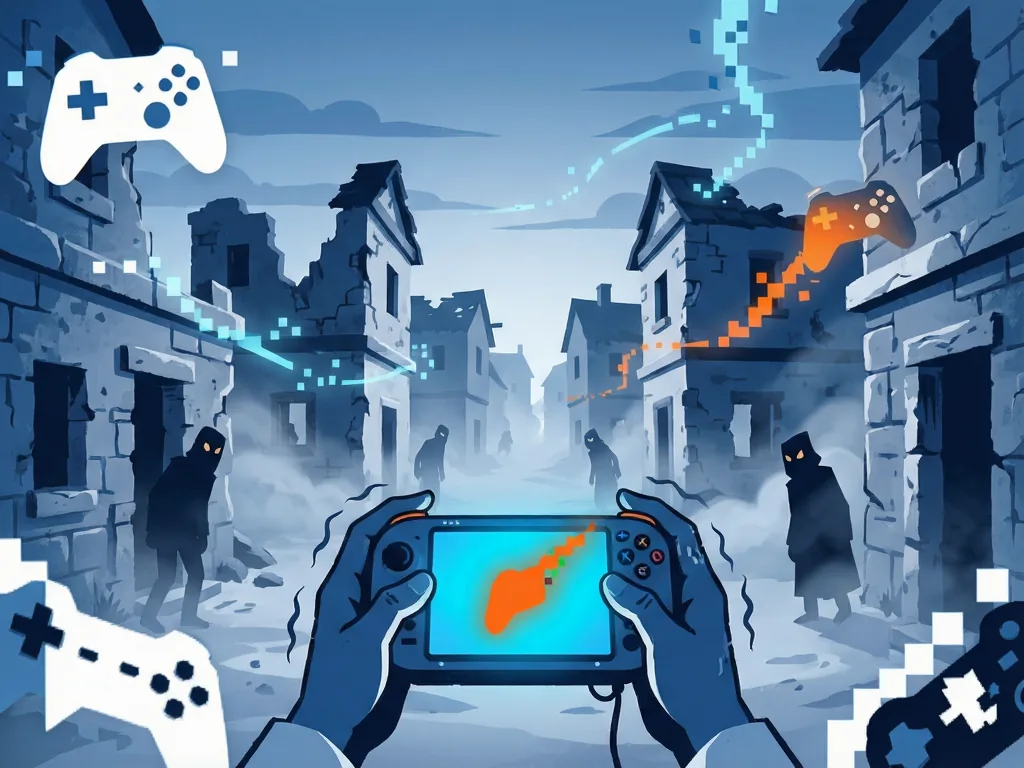
That's clearest in how it plays. Townfall uses a first-person perspective, rare for the series, and adds a gameplay mechanic built around a handheld analog device—the kind of physical gadget this studio became known for with games like Stories Untold and Observation. Where many series entries use a radio to passively warn of nearby threats, Townfall's CRTV works more like Alien Isolation's motion tracker and requires active involvement.
With it, Simon can detect faint outlines of the fleshy creatures shuffling through St. Amelia's streets. You'll need to tune it constantly, picking up their signals and switching between them to track movements and stay out of sight. Early on, this device felt secondary, but once Simon is outnumbered three to one—or worse—it proves its worth. Paired with Simon's ability to lean around corners and over cover, this is easily the most stealth-focused entry in the series.
You can also distract enemies by switching on radios or throwing objects, then hide in lockers and wait for an opening. In areas packed with enemies, I found lockers almost too useful, but since avoidance was the smarter play, I relied on them often, which dulled those semi-scripted moments before long.
Simon's handheld CRTV functions like an evolution of the series' radio static.
Still, those moments were the exception. More often, you'll need to carefully time your openings to slip past enemies or confront them directly. The music intensifies during close calls, building urgency and the right kind of stress for any horror story, and getting spotted only amplifies the tension. Despite the first-person view, combat reminded me of the Silent Hill 2 remake, since every encounter demands focus and well-timed attacks—and avoidance is always preferable. It's incredibly tense.
Enemies drain a significant portion of your health with each hit, and while their designs could use more variety, they do show meaningful differences that make managing even two of them a breathless fight to the death. I spent over half the game avoiding combat whenever possible, and about three-quarters of it never firing my gun, since shooting risks drawing more enemies.
Like the fog and its sadness, Silent Hill is also a stage for shocking truths that surface only late in a character's journey.
Townfall's combat is drenched in desperation, keeping me braced for the worst in all the ways a horror game should. That shifted in the final third, where a few sections handed me more than enough resources, making some encounters trivial. Thankfully, those power moments were rare, and Townfall kept its eerie atmosphere from start to finish.
Another advantage of first-person is the level of detail Screen Burn packs into Townfall. Walk up to a desk or shop window, and you can almost always read whatever's on it. You'll find many notes to collect, marked as highly plot-relevant, and many even help solve environmental puzzles—all fitting for a Silent Hill game, though never as convoluted as the series' early days.
Even more plentiful than these plot-critical collectibles are the smaller details the game never highlights. Spotting them isn't essential to enjoying the story, but they're just as compelling, fleshing out the world's history and hinting at the central mystery. Everything is purpose-built, from the specific hue of the Otherworld sections (here called the "Different") to the monster designs, which you can't easily make out before killing them. I was so invested in Simon's role that I dodged combat not just to conserve health kits, but to avoid upsetting the game's hidden ending calculator—and that came from how the game invites you to examine it under a microscope.
Otherworld sections return, though with a fresh look tied to key symbols in the story.
As with most Silent Hill games, much only becomes clear once Townfall's final cards are revealed, and even then, you can bet there are additional endings to pursue in later playthroughs for more context. But even on a first run, Townfall manages to step out of the shadow of the series' best and earn its place alongside them. While it doesn't quite reach the heights the series has hit before, Townfall's story gives me a familiar, welcome headache as I try to fit the pieces together.
Thematically, it succeeds at existing in two worlds at once: paying tribute to the series' best while offering a perspective that feels painfully timeless. Townfall is set in 1996, but its depictions of cruelty remain relevant today. At the same time—and this may sound odd once you've played it—it's also one of the more hopeful entries in the series. It doesn't trade discomfort for hope. It's still a dark story expressing the uncomfortable coldness this series is known for, but it finds a way to let a little light in without tearing out its jet-black heart.
Townfall, like Silent Hill f before it, captures what I love most about this comeback. As the idea of Silent Hill is uprooted and relocated around the world, we're seeing it through fresh cultural lenses in ways we never have. We spent nearly 30 years discussing and debating what Silent Hill was and is. Even the teams tasked with replacing Team Silent seemed focused on imitating the earliest, most beloved games. Townfall doesn't just prove that studios like Screen Burn understand where Silent Hill comes from; it shows us where Silent Hill can go.
Source: GameSpot
TagsSilent HillHorrorScreen BurnStealthReview
TopicsPC Gaming and Handhelds
Comments (0)