Onimusha: Way of the Sword review – Capcom's samurai action game tested
Onimusha: Way of the Sword is Capcom's samurai action game loosely inspired by legendary duelist Miyamoto Musashi. Combat centers on parries, deflections, and issen counters rather than attack strings, rewarding careful …
Source: Eurogamer Reviews
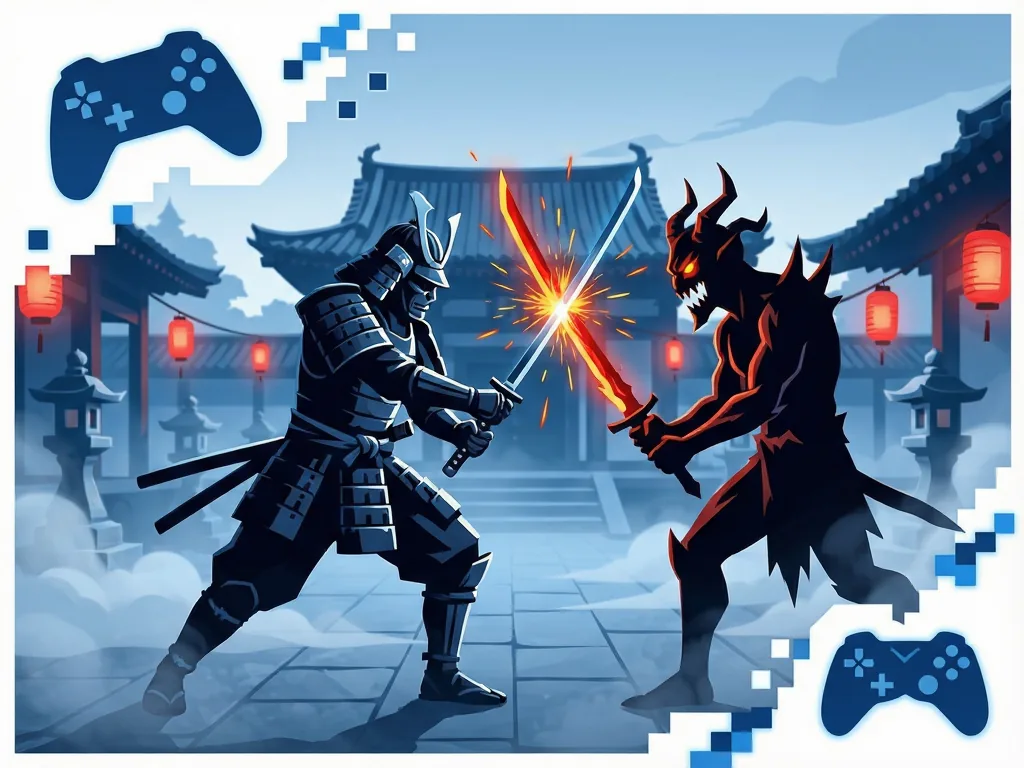
Miyamoto Musashi, Japan's legendary duelist, always saw himself as an artist first and a fighter second. And honestly, his artwork cuts deeper than his blade ever did — stripped-back, monochrome, and brilliant in its simplicity. Less is more. Whether by design or happy accident, Capcom seems to have absorbed that exact philosophy into Onimusha: Way of the Sword, a game loosely inspired by Musashi's life and victories. Rarely overwrought and often crafted with real finesse, it takes the teachings of 16th-century Japan's most influential martial artist and applies them to game design in a way that genuinely works.
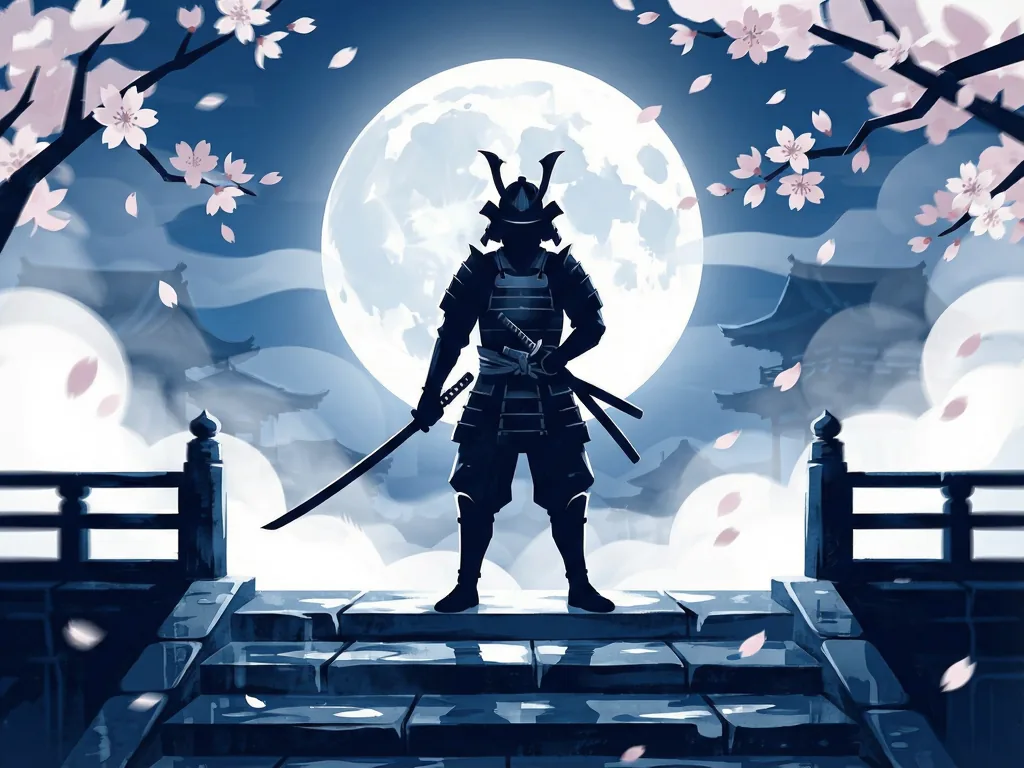
A duel, not a brawl
Capcom — which brought in real swordsmen to help refine and motion-capture the fighting — has built a combat system built on momentum and reading your opponent. If you prepare a light or heavy attack as an enemy swings, you can trigger an "issen," a parry-style counter that interrupts the blow, deals damage, and opens the door for follow-ups. But greed gets punished. Musashi reportedly won more than 60 duels in real life, and here he's a far better reactor than aggressor; spotting feints, tells, and charged attacks and answering them matters much more than grinding an enemy down.
That's why normal attack strings feel deliberately weak and a little clunky — they're filler, meant to unsettle rather than kill. Your real damage flows from parries, deflections, dodges, and issens. Circle your enemy, bait out wasted swings, and you break them down physically and mentally. Extended duels can be exhausting, demanding flawless reading and riposting across every exchange. It's more convincing role-play than anything I've found in Nioh, Wo Long, or even Sekiro — focused on judgment and application rather than acrobatics.
Watch, then strike
Musashi's famous treatise, The Book of Five Rings, urges readers to "pay attention even to trifles." Capcom teaches that lesson with patient, well-hidden hands: you must genuinely watch every enemy for every second it's on screen. Even the lowliest fodder enemies are animated and telegraphed with such care that FromSoft's weaker foes look sloppy by comparison. By the halfway point, I was clearing ruined Kyoto streets on pure reflex, cutting foes down before they could touch me.
It's a tightly built power fantasy — provided you're good at it. I expect the system to frustrate some players, particularly those raised on the Miyazaki school of action. And yes, it's hard. A cynic could describe the flashing deflect-only cues, red unblockable attacks, and glowing blue dodge-only moves as glorified Simon Says. But the fairer read is that Capcom takes this decade-old visual language and wields it beautifully, producing high-stakes, tidal fights that feel fair, familiar, and punishing all at once. Not an easy trick.
Kyoto, demons, and dead weight
Outside combat, the game is neither fully linear nor open-world; it occasionally expands into mid-sized areas with a couple of repetitive side objectives. These flesh out a world under invasion by the genma — malevolent beings after power, infamy, or plain boredom — but the tighter legacy dungeons and walled corridors make better use of Onimusha's time than wandering a crumbling Kyoto. Still, exploration isn't pointless: you'll find items, hunt rogue genma, climb a simple skill tree, upgrade weapons and armour, and unlock skins. Musashi advised readers to "perceive those things, which cannot be seen" — Capcom perhaps took that a bit literally with an R2 button that reveals the demon realm and highlights your critical path.
A compelling story strings it all together, though it left me craving boss fights for most of the runtime. The connective tissue — mobs and simple puzzles — maintains momentum, but the busywork can't match the setpieces. The cutscene direction isn't so much inspired by Akira Kurosawa as openly copying him, and to great effect: the camera work, pacing, and timing are superb. It's also one of the funniest games I've played in ages, and deliberately so. Capcom spent two years securing the rights to the face of the late Toshiro Mifune, described as "the quintessential samurai action actor," and does right by him — his blend of drama, humor, and emotion feels alive here, strange as that is for an actor gone nearly 30 years. The grimace when Musashi is flung into a wall, the dubious little sniff, the single raised eyebrow — it borders on uncanny, and I believe in the character completely. I'd happily take DLC just to soak up more of that cinematography.
Short, sharp, and worth mastering
Way of the Sword can be finished in roughly 20 hours if you rush; savoring it stretches closer to 30. That's the sweet spot for a system demanding this much focus, with fights kept flashy and brief so they never overstay. The value here isn't breadth — it's the artistry of the fighting and the boss design. Replaying boss encounters from the hub with new gear keeps them fresh, and in nearly every rematch I discovered moves or setups I'd never seen before. That's excellent design: Capcom leaves the breadcrumbs; following the trail is up to you.
Some connective tissue is thin and the pacing occasionally sags, but Capcom has once again proven its mastery. The studio dares to reject the omnipresent Soulslike template in favor of something more distinctive and better suited to its hero. By demanding you play honestly and truly inhabit Musashi and his philosophy, it fuses narrative and mechanics into real role-play. The result is a game that makes you feel like a swordsman of legend more than anything else out there. A review copy was provided by Capcom.
Source: the original publisher
TagsCapcomMiyamoto MusashiGame ReviewOnimusha Way of the SwordSamurai Action


Comments (0)