Fields of Mistria review: a charming farming RPG worth playing
Fields of Mistria, launched after two years in early access, is a spiritual successor to late-90s farming sims like Harvest Moon. Unlike Stardew Valley, it resists optimization-heavy play by rewarding varied activities s…
Source: Eurogamer Reviews
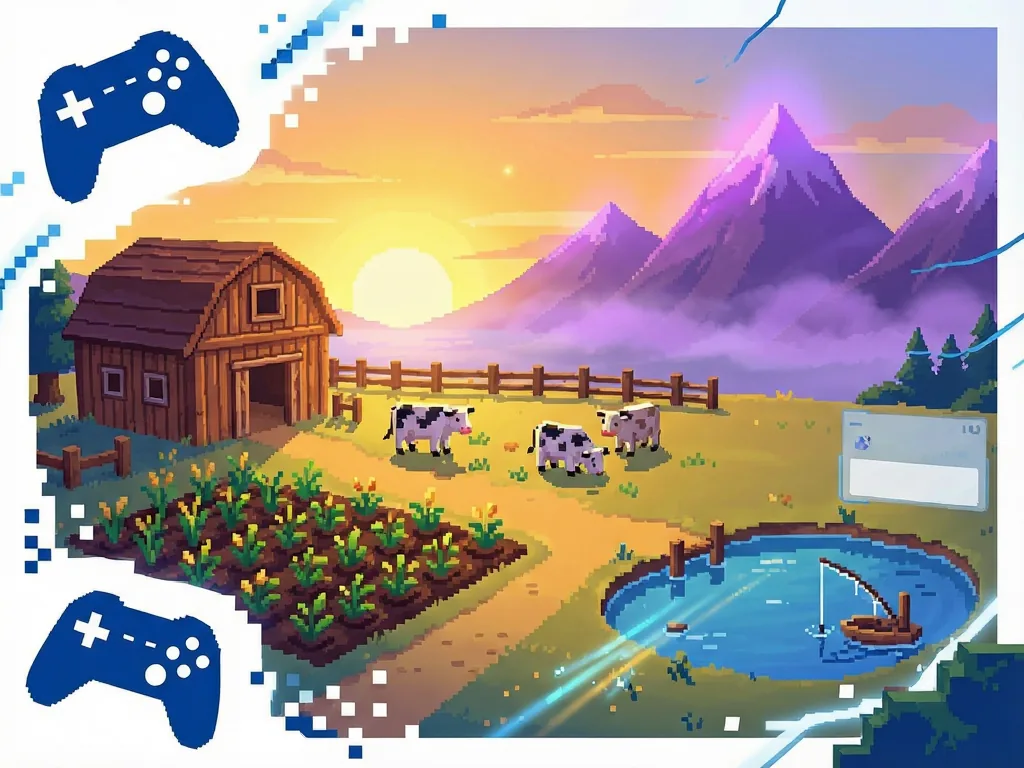
It's 1:50am and a purple cat is hurling logs at my head as I stumble toward bed, worn out from a full day of fighting sentient lanterns in the mines. Six hours later, the grind resumes — though not before a quick morning chat with the amnesiac dragon statue at the bottom of the garden. Such is life for an adventurer in Fields of Mistria, and it gets busier still once you trade adventure for agriculture, because the local feudal lady has asked for relief crops. Your new homestead was granted in return for your services, so the greaves come off and the seeds go in.
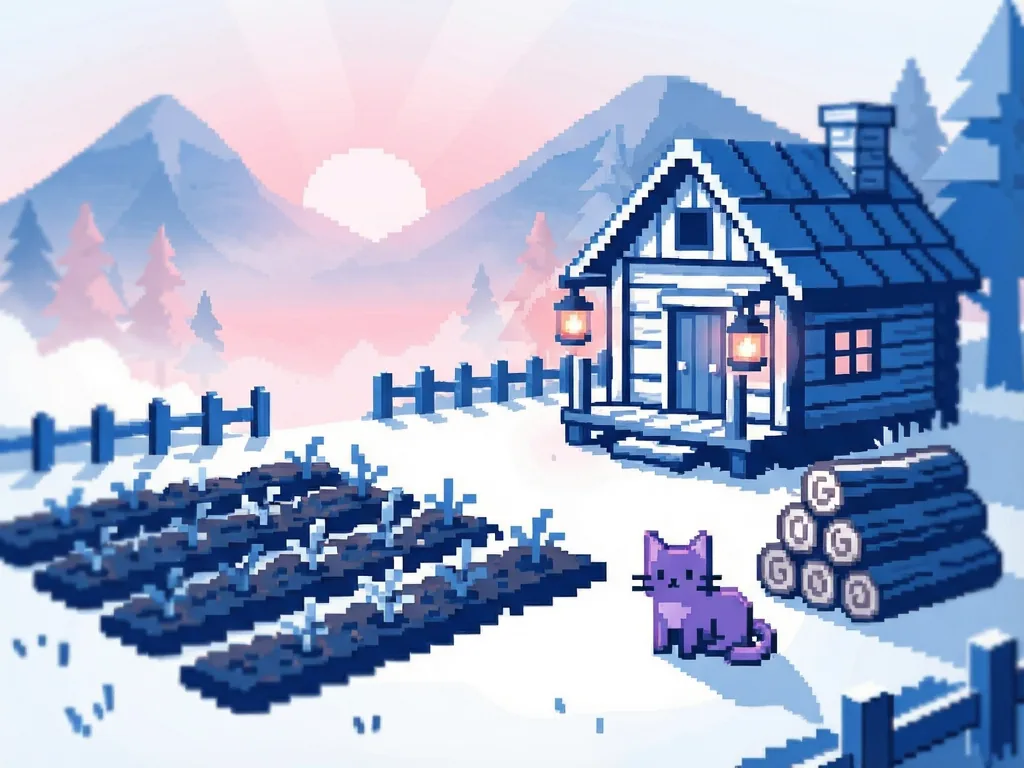
So I plant a dozen turnips, pick up two chickens, and return to the real work: digging up treasure to impress the hot witch who runs the bathhouse.
A spiritual successor that stands on its own
Launched last week after two years in early access, Fields of Mistria bills itself as a spiritual successor to the farming sims of the late 1990s, and the setup certainly echoes the classic Harvest Moon formula: arrive in a struggling town, revive it, and win hearts and rosettes along the way. Modern games have revisited that idyllic rural fantasy before — Stardew Valley being the most famous example, filtering countryside life through a Pacific Northwest lens — and several others are currently chasing the same prize-winning pie.
Yet Fields of Mistria quickly proves it's a different animal. For one thing, it's remarkably relaxed about farming itself. Anyone who calls farming sims inherently cosy has clearly never run a ranch with the spirit of an agricultural megacorporation. In many entries of the genre — Stardew Valley included — the experience shifts from living alongside nature into a competition of "how can I make more wine than god."
A world that resists optimization
Mistria pushes back against that impulse. There are genuine, incentivized reasons to dabble in everything: fishing, farming, or upstaging the blacksmith with superior swords. Caldarus, the dragon statue, grants perks in exchange for essence earned through your daily efforts, so diversifying your routine pays off. One day that means pushing deep into the mines before bedtime; the next it's clearing farm debris to build a cow playpark. The game treats both as equally worthwhile, sidestepping the automation trap that snags many farming sims.
For a fantasy world of witches and friendly aristocracy, the game takes a surprisingly grounded view of agriculture. A storm-summoning spell can water your fields, but the crops themselves are familiar. Unlike Story of Seasons: A Wonderful Life, there are no bluenanas or cursed turnip-melon hybrids here — just a sensible handful of seasonal staples. Mistria will be saved the old-fashioned way, with corn and potatoes, though foragers can grow herbs if they feel fancy. Even the local flowers have real-world counterparts.
Ranching follows the same logic. Alongside cows and chickens, your farm can host horses, ducks, sheep, alpacas and even a capybara — a contrast to fantasy farming sims that lean on exotic creatures. The quirks stay cosmetic: color-shifting alpaca coats come from the RNG-based breeding system, but the wool is identical. It's far easier to focus on raising animal affection when you're not managing what each creature produces.
The absence of complex artisan stations rounds out this design, nudging players past the farm's borders toward the game's real harvest: its cast.
The best-dressed cast in an RPG in years
The people of Mistria are colorful — and unmistakably 90s-coded. Think big shoulder pads, bigger fringes, more Sailor Moon references than there are Sailor Senshi, and outfits I'd have saved up for at Tammy Girl. Players get 8 outfit presets, complete with a magical girl transformation sequence, and new clothing arrives regularly as story rewards, ranging from wizard robes to Zoolander-inspired mining gear.
The NPCs aren't just well dressed. They have layers, like onions. You'll meet a bright-eyed fellow newcomer and clash with a grumpy rival, and yes, some townsfolk echo stock farming-sim archetypes — forgivable, given how charming they are. Notably, the game includes older characters, and they're cool: no JRPG clichés of depicting anyone over 35 as decrepit. The local elders are just as fashionable and full of personality as the singles ready to mingle.
Most importantly, these people feel like they know each other. They play Dragons & Drama together, engage in mild gambling, and swap stories about life on the road or who drank the most questionable pints back in the day. Events unfold around you without your input, and it never feels like anyone's first day on earth. Friday Nights at the Inn — a weekly gathering at The Sleeping Dragon Inn — lets you eavesdrop on evolving storylines; after several seasons in the 1.0 release, I still haven't reached the end of them. Rushing to the inn after work on a Friday has become a genuine highlight, and the sheer volume of dialogue is consistently funny and well timed.
Conversation here isn't a checkbox exercise of recycled lines and gifted forage. Balor the merchant discusses his wares at his stall, but at the inn he'll chat about lunch or whether you came for the free soup. Show up early and people call you an early bird; wander at midnight and hear about moonlit walks. Townspeople praise your restoration work and gush over museum donations. I sometimes lose whole days just chatting — unproductive, but delightful, and the game never punishes you for it.
Rough weather and missing festivals
It's not all sunshine. A month before the 1.0 launch the game migrated to a new engine, and while stability was the promise, I've hit real performance dips. Rain and snow can tank the frame rate, and my character occasionally moves like they're wading through treacle — frustrating in combat. Capping at 60fps helps, and weather particles can be reduced, but I'd rather see them as intended.
The bigger gap is content: seasonal festivals are limited to one per season, and there are few cutscenes with characters outside the marriage candidates. Festivals are the secret sauce of the genre, so the scarcity surprised me — though the ones here are worth attending, and the developers have committed to ongoing updates in the vein of Stardew Valley's 1.x patches, so I hold out hope for a beach festival.
A week post-launch, these complaints may fade, and they don't overshadow the game's many small but welcome quality-of-life touches: crafting pulls from storage as well as your inventory, shops have no opening hours (cat treats at 1am, as nature intended), the map shows everyone's location, and — miracle of miracles — cutscenes trigger regardless of whether the target character is present. Veterans of classic Harvest Moon will rejoice at no longer haunting a location until their crush appears.
Time will tell whether romance blossoms; for now, I'll be entering my villein era while my pastel-pink cows bat around a beach ball. An adventurer's life in Fields of Mistria is tough, but it's worth it.
A copy of Fields of Mistria was independently sourced for this review by the author.
Source: Eurogamer





Comments (0)